
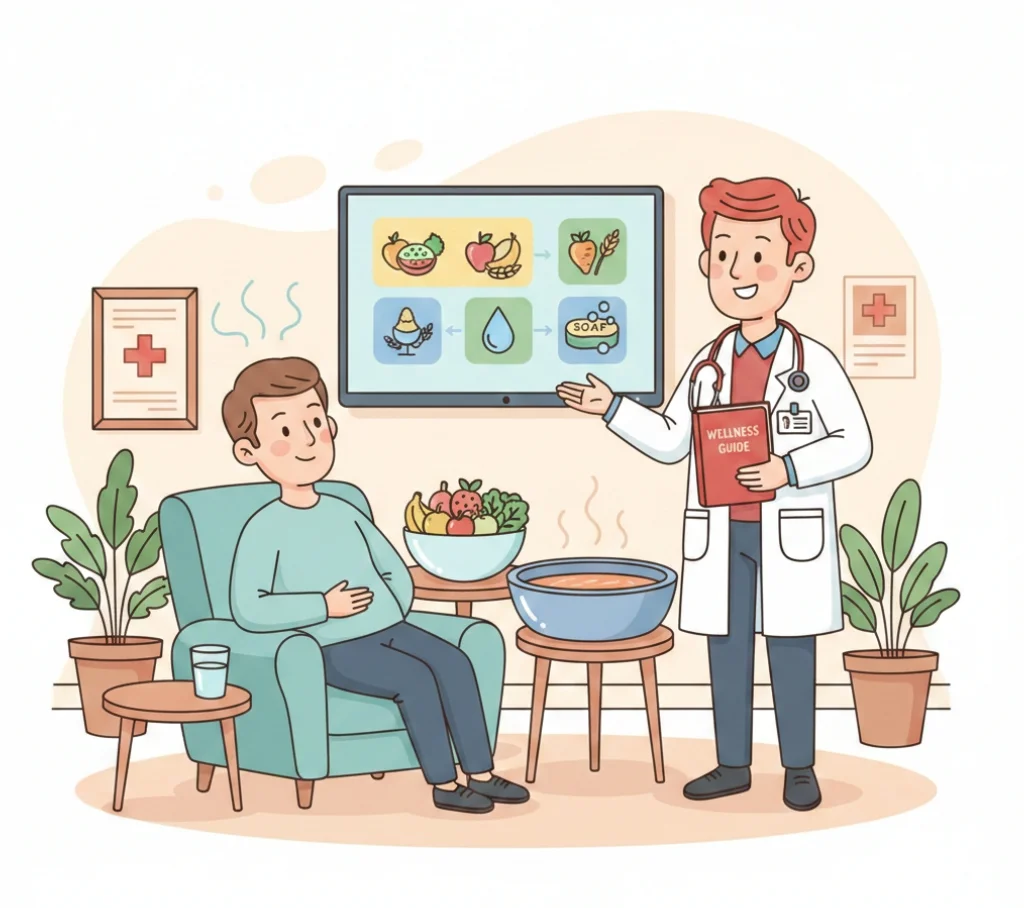
Living with an anal fissure can be painful and stressful, but the right care can make healing smoother. At Sushrut Piles Hospital, patients often ask how to reduce discomfort during recovery. Whether you are starting Anal Fissure Treatment or recovering from a procedure, simple lifestyle changes and medical guidance can help you feel better faster. This guide shares practical, easy-to-follow tips to manage pain and improve comfort throughout your healing journey.
Understanding the Pain During Healing
An anal fissure is a small tear in the lining of the anus. It can cause:
- Sharp pain during bowel movements
- Burning sensation after passing stool
- Mild bleeding
- Itching or irritation
Pain usually increases due to hard stools or muscle spasm around the anal area. Proper Anal Fissure Treatment focuses on reducing this pressure and helping the tissue heal naturally.
Follow Your Doctor’s Advice Carefully
The first and most important rule is to follow medical instructions strictly. Your doctor may recommend:
- Medicated ointments
- Stool softeners
- Pain-relief medicines
- Warm sitz baths
If symptoms are severe, an anal fissure specialist may evaluate your condition and suggest advanced care. Early consultation with an anal fissure specialist prevents complications and supports faster healing.
Take Warm Sitz Baths Daily
A sitz bath is one of the most effective comfort measures during Anal Fissure Treatment. Sitting in warm water for 10–15 minutes:
- Relaxes anal muscles
- Improves blood flow
- Reduces pain and swelling
- Promotes faster healing
You can take this bath 2–3 times daily, especially after bowel movements.
Keep Stools Soft and Easy to Pass
Hard stool is the main reason fissures worsen. To avoid strain:
- Drink 8–10 glasses of water daily
- Add fiber-rich foods like fruits, vegetables, and whole grains
- Avoid excessive spicy or junk food
- Use stool softeners if prescribed
Diet plays a major role in the success of Anal Fissure Treatment and reduces the need for further procedures.
Maintain Proper Hygiene
Gentle cleaning is essential. Instead of dry toilet paper:
- Use soft, unscented wipes
- Wash gently with lukewarm water
- Pat dry with a soft cloth
Poor hygiene can delay healing and increase irritation.
Consider Advanced Treatment Options
If the fissure becomes chronic, doctors may suggest procedures like fissure treatment by laser. This modern method is:
- Minimally invasive
- Less painful
- Quick recovery
- Safe and effective
Many patients prefer fissure treatment by laser because it reduces hospital stay and allows them to return to daily life sooner. However, it is important to consult an experienced anal fissure specialist before choosing this option.
Pain Management After Procedures
If you undergo anal fissure surgery, mild discomfort is normal during recovery. Proper care after anal fissure surgery includes:
- Taking prescribed medicines on time
- Avoiding heavy lifting
- Continuing sitz baths
- Following a soft diet
Some patients also explore fissure treatment by laser as an alternative to traditional anal fissure surgery for quicker healing. Discuss all options with your doctor to choose what suits you best.
Know When to See a Doctor
Do not ignore persistent pain. Search for a trusted fissure doctor near you if you experience:
- Severe bleeding
- Continuous pain for weeks
- Fever or infection signs
- No improvement with medicines
Consulting a fissure doctor near your location ensures timely evaluation and prevents complications.
Relaxation and Stress Control
Stress can tighten muscles and worsen pain. During Anal Fissure Treatment, try:
- Deep breathing exercises
- Light walking
- Gentle yoga
- Adequate sleep
Mental relaxation supports physical healing.
Avoid Delaying Treatment
Many people delay care due to embarrassment. However, untreated fissures can become chronic and may require anal fissure surgery later. Early intervention, proper medication, and lifestyle adjustments can prevent complications.
If you are unsure about your symptoms, search for a reliable fissure doctor near your area for professional guidance. Timely consultation improves results and reduces suffering.
Healthy Habits for Long-Term Comfort
Even after recovery, continue healthy habits to prevent recurrence:
- Maintain fiber intake
- Stay hydrated
- Avoid prolonged sitting
- Exercise regularly
- Do not ignore constipation
These habits improve overall digestive health and lower the risk of future fissures.
Final Thoughts
Healing from a fissure requires patience, proper care, and expert support. With the right Anal Fissure Treatment, most patients recover successfully without major complications. From diet control to advanced options like fissure treatment by laser, multiple solutions are available today. Consulting an experienced anal fissure specialist at the right time can prevent the need for anal fissure surgery and speed up recovery. If you are searching for a dependable fissure doctor near your location, consider expert care at Sushrut Piles Hospital, where patient comfort and safe healing remain the top priority.