
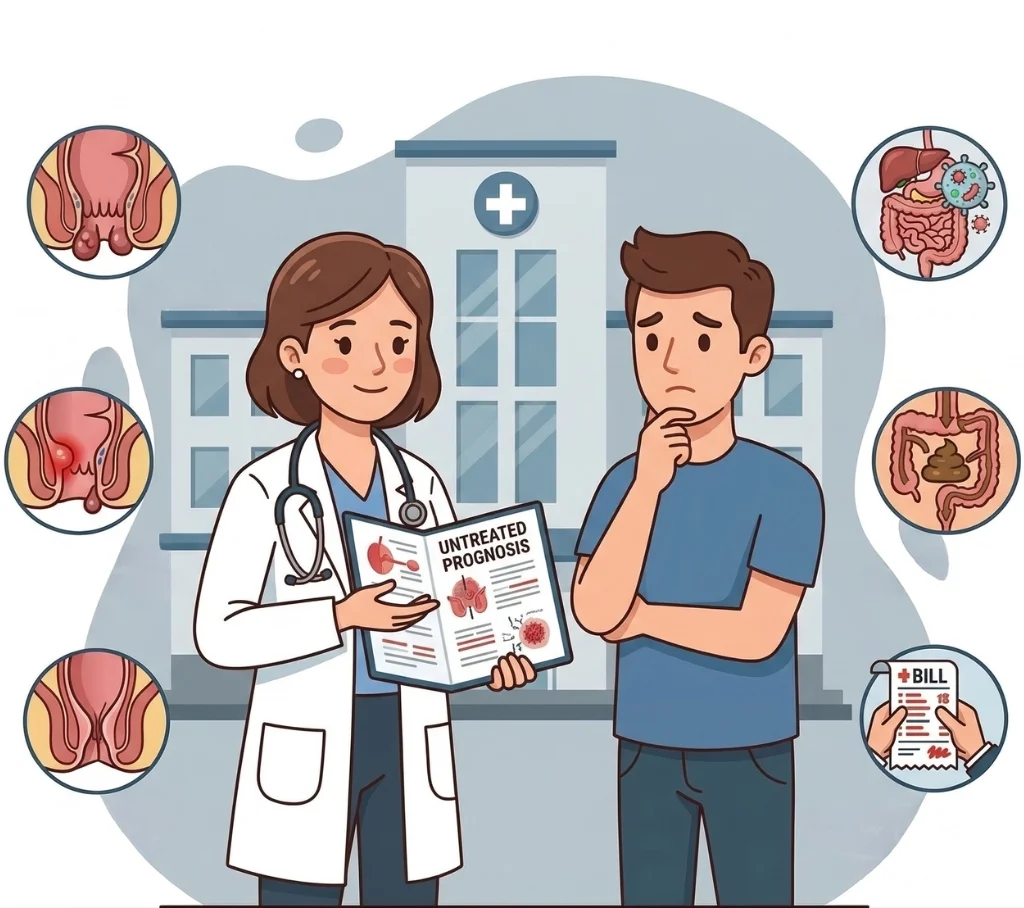
Digestive health problems can be uncomfortable and sometimes embarrassing to talk about. However, ignoring symptoms can make the condition worse. At Sushrut Piles Hospital, many patients visit with concerns about Piles and Fistula, two common yet different anorectal conditions that require proper care and medical attention. Understanding these conditions early can help you take the right steps toward relief and recovery.
Understanding Piles and Fistula
Many people confuse these two problems, but they are not the same.
Piles and Fistula affect the anal region but develop differently:
- Piles are swollen blood vessels in the rectum or anus.
- A fistula is an abnormal tunnel that forms between the anal canal and the skin near the anus.
Both conditions can cause pain, discomfort, and difficulty in daily life. Early diagnosis and proper treatment can prevent complications.
What Are Piles?
Piles, also known as hemorrhoids, occur when veins in the anal area become swollen due to pressure. They can be internal (inside the rectum) or external (outside the anus).
Common Causes of Piles
• Chronic constipation
• Straining during bowel movements
• Sitting for long hours
• Low-fiber diet
• Pregnancy
• Obesity
Symptoms of Piles
• Pain during bowel movements
• Bright red bleeding
• Itching around the anus
• Swelling or lump near the anus
If you often search for a hemorrhoid doctor near me, it may be a sign that symptoms are persistent and need professional evaluation.
What is a fistula?
Anal fistula usually develops due to an infection in the anal glands. When the infection forms an abscess and does not heal properly, it may create a small tunnel between the skin and the anal canal.
Common Causes of Fistula
• Untreated anal abscess
• Crohn’s disease
• Tuberculosis
• Injury or surgery in the anal area
• Long-standing infection
Symptoms of Fistula
• Continuous pain near the anus
• Pus or fluid discharge
• Foul smell
• Swelling and redness
• Fever in some cases
Unlike piles, fistula confusion among patients, fistula typically involve infection and discharge, which makes medical treatment essential.
Difference Between Piles and Fistula
Understanding the difference helps in choosing the right treatment:
- Piles involve swollen veins; a fistula involves an infected tunnel.
- Bleeding is more common in piles.
- Discharge of pus is common in a fistula.
- Piles may improve with diet and medicines; a fistula often needs surgery.
Though both are painful, their treatment methods are completely different. That is why visiting a specialized piles & fistula clinic is important for correct diagnosis.
Risk Factors You Should Not Ignore
Certain lifestyle habits increase the risk of Piles and Fistula:
- Low fiber intake
- Drinking less water
- Sedentary lifestyle
- Ignoring early symptoms
- Poor hygiene
Timely consultation at a reliable piles & fistula hospital can prevent the condition from worsening.
Diagnosis and Medical Evaluation
Doctors usually diagnose Piles and Fistula through:
- Physical examination
- Digital rectal examination
- Proctoscopy
- MRI or ultrasound in fistula cases
If symptoms are severe, do not rely only on home remedies. Many patients delay care until they desperately search for a hemorrhoid doctor near me, which can lead to complications.
Treatment Options for Piles and Fistula
Treatment depends on severity and type.
For Piles:
• High-fiber diet
• Stool softeners
• Medications
• Laser treatment
• Surgical removal in severe cases
For Fistula:
• Antibiotics (temporary relief)
• Fistulotomy
• Laser fistula surgery
• Advanced minimally invasive procedures
Since piles fistula conditions are different, treatment plans must be customized after proper diagnosis.
Prevention Tips for Long-Term Relief
Preventing Piles and Fistula is possible with simple lifestyle changes:
- Eat fiber-rich foods like fruits and vegetables
- Drink 8–10 glasses of water daily
- Avoid straining
- Exercise regularly
- Maintain proper anal hygiene
Regular check-ups at a trusted piles & fistula clinic ensure early detection and safe recovery.
When Should You See a Doctor?
Consult a specialist if you experience:
- Continuous bleeding
- Severe anal pain
- Pus discharge
- Fever with swelling
- Recurring symptoms
Searching online for a hemorrhoid doctor near me can help you find immediate medical assistance before complications develop.
Final Thoughts
Ignoring anorectal problems can affect your comfort, confidence, and overall quality of life. Piles and fistula are treatable conditions when diagnosed early and managed by experienced specialists. If you notice symptoms such as pain, bleeding, or discharge, do not delay seeking help. At Sushrut Piles Hospital, patients receive advanced diagnosis and modern treatment options designed for safe recovery and long-term relief. Taking action today can protect your health tomorrow.