
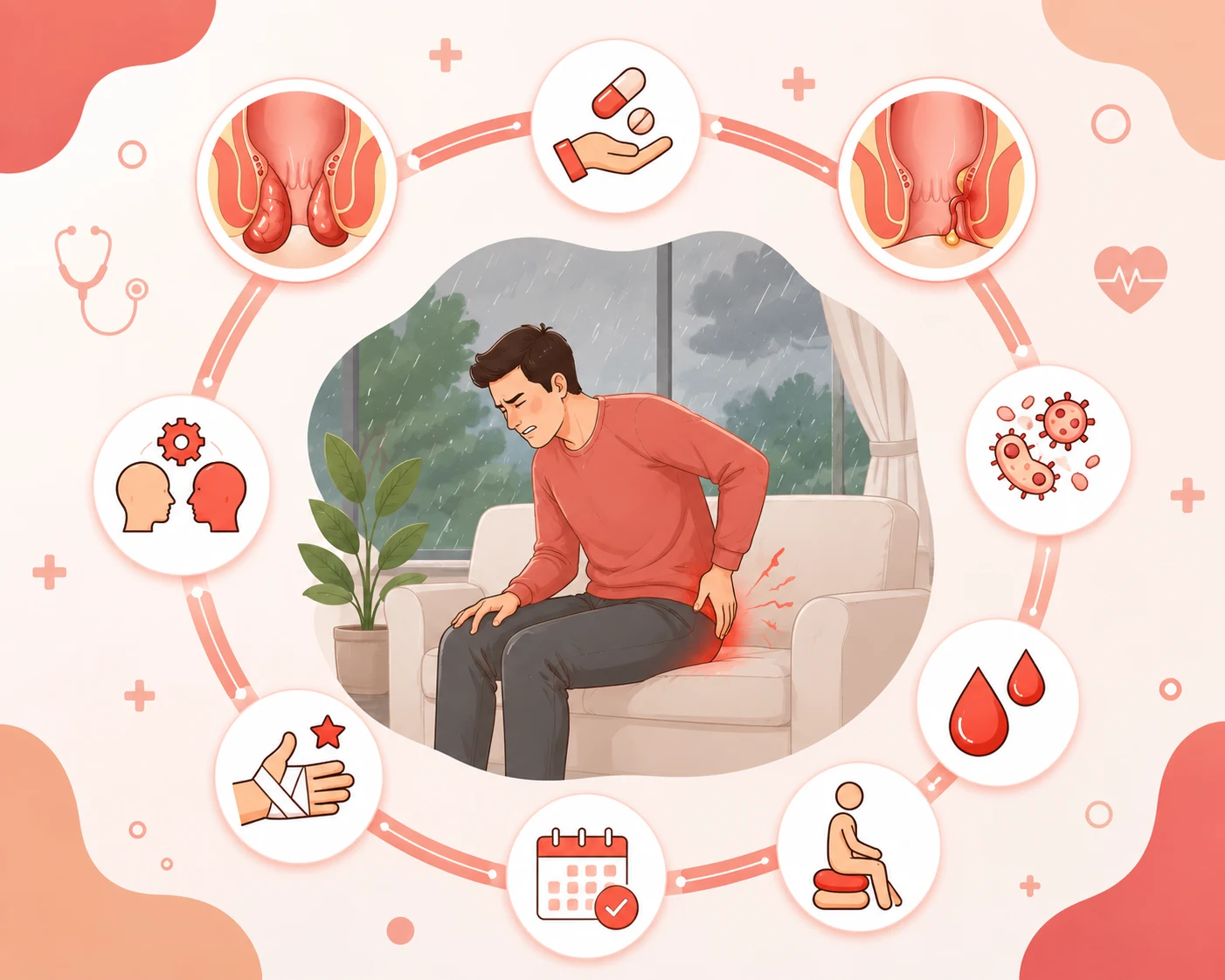
The monsoon brings welcome relief from the summer heat, but it also introduces several health challenges. While many people focus on seasonal infections, digestive health often gets overlooked. One common concern is that piles (hemorrhoids) symptoms tend to worsen during the rainy season. Increased humidity, reduced physical activity, dehydration, and digestive irregularities can all contribute to flare-ups.
If you experience pain, itching, swelling, or bleeding during bowel movements, the monsoon season may be making your condition worse. Understanding the reasons behind these seasonal changes can help you take preventive measures and manage symptoms effectively.
At Sushrut Piles Hospital, specialists emphasize early diagnosis, lifestyle modifications, and personalized treatment plans to help patients find lasting relief from piles and related anorectal conditions.
What Are Piles?
Piles, also known as hemorrhoids, are swollen and inflamed veins in the lower rectum or around the anus. They develop when excessive pressure is placed on these veins, causing them to enlarge and become irritated.
Piles are generally classified into two main types:
Internal Piles
Internal piles develop inside the rectum. They are usually painless but may cause bleeding during bowel movements.
External Piles
External piles form around the anus and often cause pain, itching, swelling, and discomfort, especially while sitting.
Common symptoms include:
- Bright red bleeding during bowel movements
- Pain or discomfort around the anus
- Itching and irritation
- Swelling or lumps near the anal opening
- Difficulty sitting comfortably
According to medical experts, factors such as chronic constipation, prolonged sitting, obesity, pregnancy, and low-fiber diets significantly increase the risk of developing hemorrhoids.
Why Do Piles Symptoms Worsen During Monsoon?
Many patients notice increased discomfort during the rainy season. While the monsoon does not directly cause piles, it can create conditions that may aggravate existing symptoms.
1. Reduced Water Intake
During cooler, rainy weather, many people drink less water than they do during summer.
Insufficient hydration leads to:
- Hard stools
- Constipation
- Increased straining during bowel movements
Straining places additional pressure on rectal veins, worsening piles symptoms.
2. Digestive Problems Become More Common
Monsoon often brings digestive disturbances due to contaminated food, irregular eating habits, and seasonal infections.
Common issues include:
- Constipation
- Diarrhea
- Indigestion
- Bloating
Both constipation and frequent loose stools can irritate hemorrhoids and increase inflammation.
3. Less Physical Activity
Rainy weather often encourages people to stay indoors, leading to a more sedentary lifestyle.
Reduced movement slows intestinal function, increasing the likelihood of constipation and prolonged sitting—both of which contribute to piles discomfort.
4. Increased Humidity
High humidity may increase sweating and moisture around the anal region.
This can result in:
- Skin irritation
- Persistent itching
- Increased bacterial growth
- Greater discomfort for patients with external piles
Proper hygiene becomes even more important during this season.
5. Changes in Eating Habits
Many people enjoy fried snacks and spicy comfort foods during monsoon.
Foods such as:
- Pakoras
- Samosas
- Fried street food
- Processed snacks
may contribute to poor digestion and constipation when consumed frequently, making piles symptoms worse.
Common Symptoms That May Increase During Monsoon
If you already have piles, you may notice:
- More frequent itching
- Increased pain during bowel movements
- Greater swelling around the anus
- Burning sensation
- More noticeable bleeding
- Difficulty sitting for long periods
These symptoms should not be ignored, especially if bleeding becomes persistent.
How to Manage Piles During the Rainy Season
Proper care during monsoon can significantly reduce discomfort and help prevent flare-ups.
Stay well hydrated
Although you may not feel thirsty, adequate hydration remains essential.
Aim to drink sufficient water throughout the day to keep stools soft and reduce strain during bowel movements.
Warm water in the morning may also support healthy digestion.
Eat a Fiber-Rich Diet
Fiber helps maintain regular bowel movements and prevents constipation.
Include foods such as:
- Whole grains
- Oats
- Apples
- Pears
- Papaya
- Bananas
- Leafy green vegetables
- Lentils
- Beans
- Seeds
Gradually increasing fiber intake while drinking enough water can improve bowel regularity.
Maintain Good Hygiene
Moisture during monsoon increases the risk of skin irritation.
Keep the anal area:
- Clean
- Dry
- Gently washed after bowel movements
Avoid harsh soaps that may irritate sensitive skin.
Avoid Straining
Do not spend excessive time sitting on the toilet.
If bowel movements are difficult:
- Increase dietary fiber
- Stay hydrated
- Consult a healthcare professional instead of forcing bowel movements.
Stay Physically Active
Even if outdoor exercise isn’t possible, regular movement supports digestive health.
Simple indoor activities include:
- Walking indoors
- Yoga
- Stretching
- Light home workouts
Regular activity helps improve bowel function and reduces constipation.
Limit Fried and Spicy Foods
Occasional treats are fine, but frequent consumption of oily foods may aggravate digestive issues.
Instead, choose:
- Fresh fruits
- Homemade meals
- Soups
- Steamed vegetables
- Whole grains
Balanced nutrition supports better digestive health.
Don't Ignore Persistent Symptoms
Many people delay treatment due to embarrassment.
However, untreated piles may become increasingly painful and may require more advanced treatment later.
Seeking timely medical advice can improve outcomes and prevent complications.
When Should You Visit a Piles Specialist?
Medical evaluation is recommended if you experience:
- Bleeding during bowel movements
- Severe pain
- Persistent itching
- Swelling that does not improve
- Recurring piles symptoms
- Difficulty passing stools
- Symptoms lasting more than one week
Early diagnosis allows healthcare providers to recommend the most appropriate treatment based on the severity of the condition.
Treatment Options for Piles
Treatment depends on symptom severity.
Options may include:
Lifestyle Changes
Mild piles often improve with:
- Increased fiber intake
- Better hydration
- Regular exercise
- Healthy bowel habits
Medications
Doctors may recommend medications to relieve:
- Pain
- Swelling
- Itching
- Inflammation
These treatments help manage symptoms but should be used under medical guidance.
Minimally Invasive Procedures
For persistent or larger hemorrhoids, specialists may recommend minimally invasive procedures designed to reduce symptoms with shorter recovery times compared to conventional surgery.
Surgical Treatment
Advanced piles may require surgical intervention if conservative treatments are ineffective.
An experienced colorectal specialist can determine the most suitable approach based on your condition.
Tips to Prevent Piles During Monsoon
Preventive care can significantly reduce the likelihood of flare-ups.
Follow these healthy habits:
- Drink plenty of water every day.
- Eat high-fiber foods.
- Exercise regularly.
- Avoid prolonged sitting.
- Do not delay bowel movements.
- Maintain proper anal hygiene.
- Limit fried and processed foods.
- Maintain a healthy body weight.
- Manage constipation early.
- Schedule regular medical check-ups if symptoms recur.
Why Choose Sushrut Piles Hospital?
When dealing with piles, choosing an experienced healthcare provider can make a significant difference in diagnosis, treatment, and long-term management.
Sushrut Piles Hospital is committed to providing patient-focused care with comprehensive evaluation and evidence-based treatment options. From early-stage hemorrhoids to more advanced anorectal conditions, the hospital focuses on accurate diagnosis, individualized treatment plans, and patient education to support better outcomes.
Frequently Asked Questions (FAQs)
Does a monsoon actually cause piles?
No. Monsoon does not directly cause piles, but seasonal factors such as dehydration, constipation, reduced physical activity, and dietary changes can worsen existing symptoms.
Can dehydration make piles worse?
Yes. Drinking too little water can lead to hard stools and constipation, increasing pressure on hemorrhoids during bowel movements.
Which foods should I avoid during monsoon if I have piles?
Limit fried foods, spicy meals, processed snacks, and excessive junk food. Instead, choose fiber-rich foods and stay hydrated.
Is walking beneficial for piles?
Yes. Regular walking and light exercise help improve digestion, reduce constipation, and support healthy bowel movements.
When should I seek medical care for piles?
Consult a specialist if you have persistent bleeding, severe pain, recurring symptoms, or swelling that does not improve with lifestyle changes.
Conclusion
Monsoon can create conditions that make piles’ symptoms more noticeable, but with proper hydration, a fiber-rich diet, regular exercise, and good hygiene, many flare-ups can be prevented. Paying attention to digestive health during the rainy season is essential for reducing discomfort and supporting long-term well-being.
If your symptoms persist or interfere with daily life, seeking timely medical evaluation is the best course of action. Sushrut Piles Hospital provides comprehensive assessment and evidence-based treatment to help patients effectively manage piles and improve their quality of life.